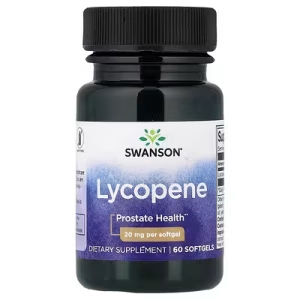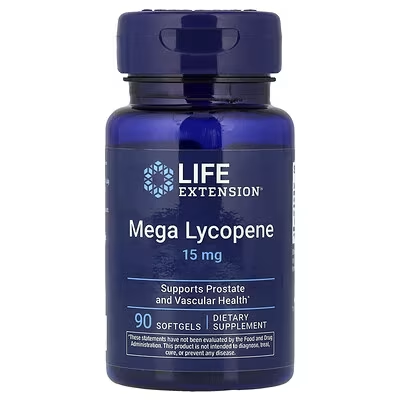
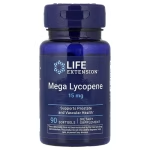
Life Extension Mega Lycopene 15 mg Softgels
These statements have not been evaluated by DRAP or the US FDA. This product is not intended to diagnose, treat, cure or prevent any disease. Consult a healthcare professional before use.


Hotline Order:
Mon - Sat: 08AM - 09PM
+923228998756
Life Extension Mega Lycopene 15 mg Softgels in Pakistan
Open any Pakistani kitchen and you will find red. Tamatar (tomatoes) go into almost every salan, karahi, chutney and daal tarka. Tarbooz (watermelon) cools the summer, pink guava (amrood) appears in fruit chaat and ripe papaya brightens breakfast.
That red color comes from a natural pigment called lycopene. Life Extension Mega Lycopene 15 mg Softgels put a concentrated amount of it in a softgel. This page explains where lycopene comes from, what it does and how to use it.
Life Extension is an American supplement company known for its research-based formulas, clear labelling and ingredient transparency.
Lycopene on Your Plate
| Food | Familiar Pakistani use | Lycopene level |
|---|---|---|
| Tomatoes (tamatar), especially cooked | Salan, karahi, chutney, tomato paste | High |
| Watermelon (tarbooz) | Summer fruit | Moderate to high |
| Pink guava (amrood) | Fruit chaat | Moderate to high |
| Papaya | Fruit and breakfast | Moderate |
| Red grapefruit | Imported fruit | Moderate |
Lycopene is a carotenoid, a plant pigment with antioxidant properties. Unlike beta-carotene, your body does not convert lycopene into vitamin A.
Cooked vs Raw: A Pakistani Kitchen Advantage
Lycopene is fat-soluble and tightly packed inside raw tomato cells. Cooking tomatoes breaks down the cell walls, and cooking them with oil or ghee improves absorption. That makes a traditional Pakistani cooking method one of the best ways to get lycopene from food.
| Form | Lycopene availability |
|---|---|
| Raw tomato in salad | Lower |
| Tomato cooked in oil (salan, karahi) | Higher |
| Tomato paste or puree | Higher |
| Softgel supplement | A measured amount, taken with a meal that contains fat |
Ingredient Breakdown
| Component | Role |
|---|---|
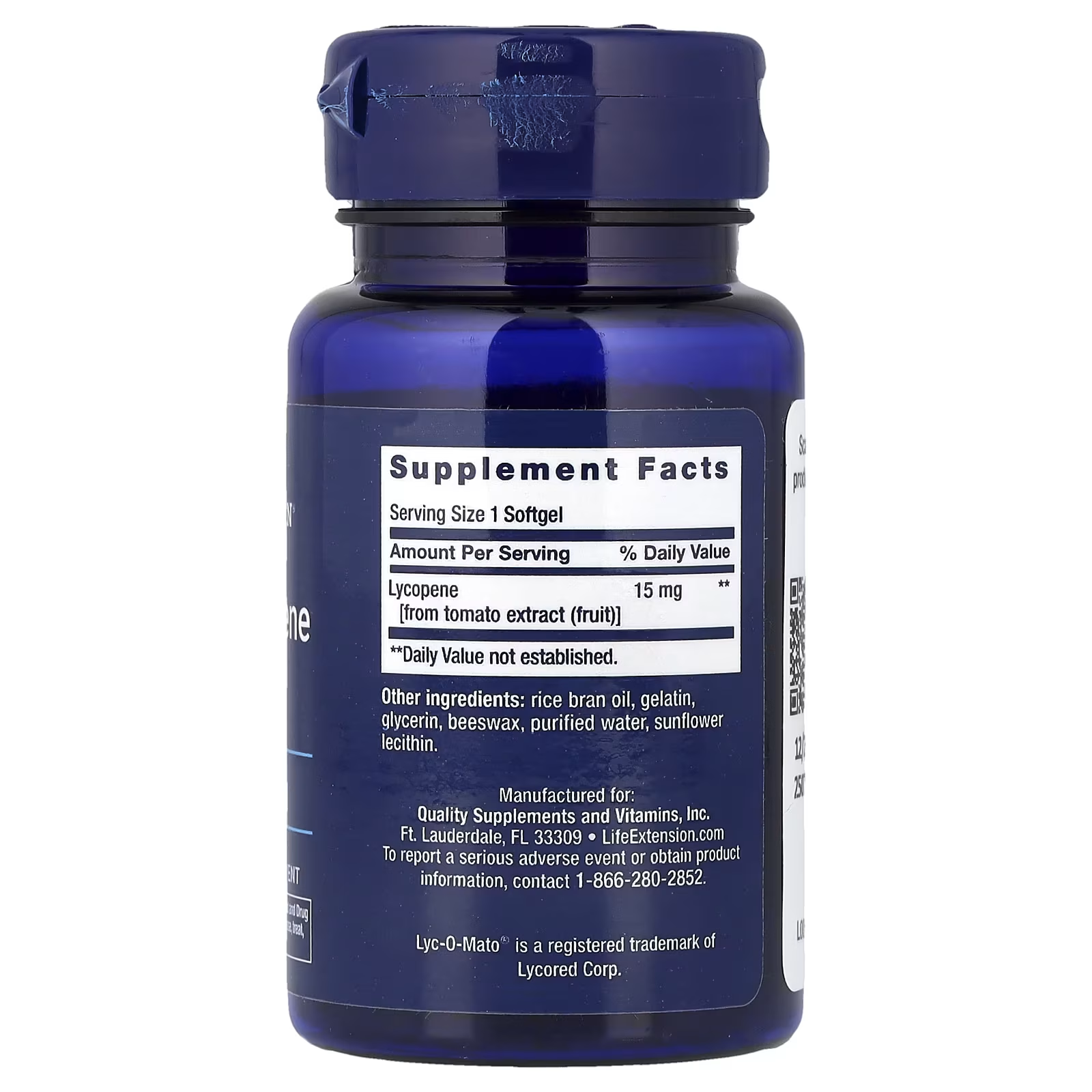
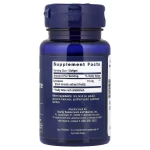
| Lycopene (from tomato extract), 15 mg per softgel (confirm on the label) | The active ingredient |
| Carrier oil | Helps dissolve and absorb the fat-soluble pigment |
| Softgel capsule | Gelatin or vegetarian shell; check the label |
| Other ingredients | Per the label |
Please confirm the lycopene amount per softgel, the extract source, the softgel count, the shell type and the “other ingredients” on your Life Extension pack.
What Do People Use Lycopene For?
In nutrition and traditional use, people look at lycopene for:
- Antioxidant support from a concentrated plant pigment
- General wellness alongside a diet rich in colorful foods
- Men’s nutrition routines, since lycopene has been studied in relation to the prostate
Honest note: Research on lycopene is mixed. Studies on prostate health and other areas have given inconsistent results. Lycopene is a nutritional supplement, not a treatment or prevention for prostate problems, cancer, heart disease or any other condition. Men with urinary symptoms or prostate concerns should see a doctor for proper screening.
Dosage Chart
Always follow the label on your Life Extension pack. This chart shows how lycopene softgels are commonly used as a general guide.
| Situation | Typical approach | Timing |
|---|---|---|
| Daily support | Label serving, commonly 1 softgel once daily | With a meal that contains some fat |
| Short courses | Label serving for a defined period | With meals |
| Long-term use | Review with a doctor | n/a |
| Ramadan | Label serving with iftar or suhoor, whichever includes some fat | With food |
Quick rules:
- Take with a meal that contains fat, such as with ghee, oil, eggs or nuts.
- Never exceed the label dose.
- Count your total carotenoids from other supplements, such as beta-carotene or multivitamins.
- Keep eating tomatoes, watermelon and guava. Whole foods bring fibre and many other nutrients.
Lycopene vs Other Carotenoid Options
| Option | What it is | Notes |
|---|---|---|
| Lycopene | Red carotenoid from tomatoes | Not converted to vitamin A |
| Beta-carotene | Orange provitamin A carotenoid | Converted to vitamin A; caution for smokers |
| Lutein and zeaxanthin | Yellow carotenoids concentrated in the eye | Different role; eye-focused |
| Astaxanthin | Red carotenoid from algae | Different source and uses |
| Mixed carotenoids | Several carotenoids in one product | Broader pigment profile |
| Colorful vegetables and fruits | Whole foods | Provide fibre and a wide range of nutrients |
Safety First: Who Should Be Careful?
Lycopene is generally well tolerated, but speak to a doctor or pharmacist before use if you:
- Take blood thinners or antiplatelet medicines, or have a bleeding disorder
- Take blood pressure medicines or regular prescription medicines
- Are undergoing cancer treatment or have a cancer history. Do not use it as a substitute for treatment.
- Have liver disease
- Are allergic to tomatoes
- Are pregnant or breastfeeding, since supplement amounts are generally not recommended
- Are under 18
- Have surgery planned (guidance commonly advises stopping about 2 weeks beforehand)
Very high intake can turn the skin slightly orange (lycopenemia), which fades after reducing intake. Some people notice stomach upset, gas or diarrhea. Stop use and get medical help if you notice an allergic reaction, a rash, swelling, difficulty breathing or any unusual symptoms. Store in a cool, dry place away from direct sunlight, especially in Pakistan’s summers, and keep out of reach of children.
Why Buy From Us?
- Original imported Life Extension product
- Delivery across Pakistan: Karachi, Lahore, Islamabad, Rawalpindi, Faisalabad, Multan, Peshawar, Quetta and more
- Sealed and carefully stored (softgels are heat-sensitive)
- Support for your questions before and after you order
Add your review
Your email address will not be published. Required fields are marked *
Please login to write review!
Looks like there are no reviews yet.