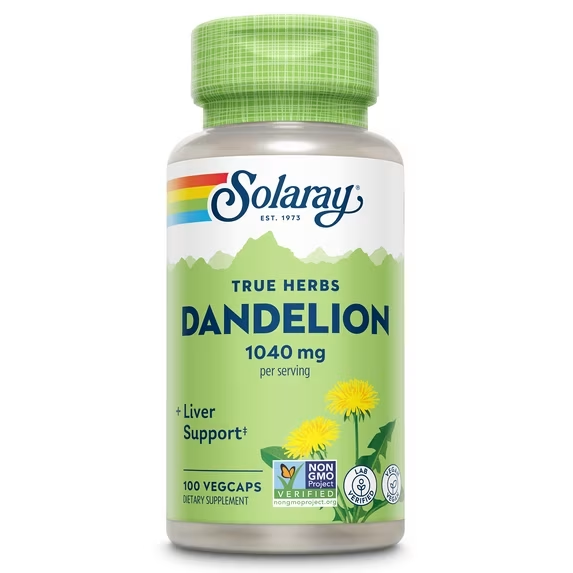
Solaray Dandelion 1040 mg Capsules
These statements have not been evaluated by DRAP or the US FDA. This product is not intended to diagnose, treat, cure or prevent any disease. Consult a healthcare professional before use.


Hotline Order:
Mon - Sat: 08AM - 09PM
+923228998756
Solaray Dandelion 1040 mg in Pakistan
To most gardeners, the dandelion is a weed: a yellow flower that turns into a white puff and spreads across the lawn. To traditional herbalists across Europe, the Middle East and Asia, it is a plant worth keeping. Its roots and leaves have been used for centuries as a bitter, earthy herb.
Solaray Dandelion brings the root into a plant-based capsule. This page explains the plant, how its bitterness fits into traditional digestive use and how to read the “1040 mg” figure on the label.
Solaray is a US brand with decades of experience in herbal supplements, known for its VegCap format and wide range of single-herb products.
What Is Dandelion?
Dandelion (Taraxacum officinale) belongs to the daisy family (Asteraceae), the same plant family as chicory (kasni), artichoke, sunflower and ragweed. Every part of the plant has been used traditionally:
| Part | Traditional use |
|---|---|
| Root | A bitter digestive herb; roasted as a coffee-like drink |
| Leaf | Eaten as a salad green; traditionally used as a gentle diuretic |
| Flower | Used in teas, syrups and wine |
Supplements like this one most often use the root (check your label).
Why Bitterness Matters
Dandelion root is bitter, and in traditional herbal practice bitter herbs are valued for their role in digestion. The idea is that a bitter taste on the tongue triggers the body’s own digestive signals, which can encourage the release of saliva, stomach juices and bile.
| Familiar bitter foods | Traditional role |
|---|---|
| Karela (bitter gourd) | Part of everyday Pakistani cooking |
| Methi (fenugreek leaves) | Added to curries and parathas |
| Kasni (chicory) | A familiar traditional herb |
| Dandelion root | An imported-style bitter herb in capsule form |
Honest note: Research on dandelion is limited, and most studies are small. It is a nutritional supplement, not a treatment for liver, kidney, digestive or any other condition. “Liver cleanse” and “detox” are marketing terms, not proven claims.
Ingredient Breakdown
| Component | Role |
|---|---|
| Dandelion root (Taraxacum officinale) | The main active ingredient; dried, powdered root |
| Natural bitter compounds, inulin and plant compounds | Found naturally in the root |
| VegCap capsule shell and other ingredients | Plant-based capsule; per the label |
Please confirm the part of the plant used (root or leaf), the amount per capsule, the capsule count and the “other ingredients” on your Solaray pack.
Reading “1040 mg”
Labels show the amount per serving, and a serving is often more than one capsule. A “1040 mg” figure may be the total for a serving of two capsules of 520 mg each, or it may be a single-capsule amount.
| Question | Why it matters |
|---|---|
| How many capsules are in one serving? | Tells you how much each capsule contains |
| How many servings per day? | Tells you your daily total |
| How many capsules are in the bottle? | Tells you how long the bottle lasts |
| Is it root powder or an extract? | An extract is more concentrated than powder |
Dosage Chart
Always follow the label on your Solaray pack. This chart shows how dandelion root capsules are commonly used as a general guide.
| Situation | Typical approach | Timing |
|---|---|---|
| Daily herbal support | Label serving (the number of capsules per serving is on the label) | With meals and water |
| Seasonal or short courses | Label serving for a defined period, then review | With meals |
| Long-term use | Review with a doctor | n/a |
| Ramadan | Label serving with iftar or suhoor | With food and water |
Quick rules:
- Take with meals and a glass of water.
- Never exceed the label dose.
- Do not use it as a “diuretic” for weight loss. Water loss is not fat loss, and misuse is unsafe.
- Drink enough water through the day, especially in Pakistan’s heat.
Dandelion vs Other Traditional Options
| Option | What it is | Notes |
|---|---|---|
| Dandelion root | Bitter traditional root | Gentle; own cautions |
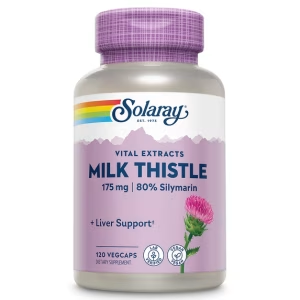
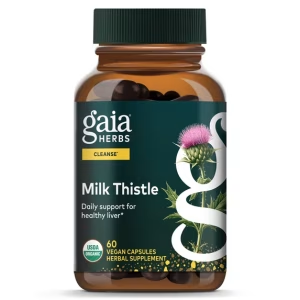
| Milk thistle | Seed extract with silymarin | Different plant; liver nutrition; own cautions |
| Fennel (saunf) | Familiar after-meal seed | Gentle; hormone and allergy cautions |
| Triphala | Three-fruit blend | May loosen stools |
| Digestive enzymes | Help break down food | Different mechanism |
| Kasni (chicory) tea | Traditional household drink | Close relative of dandelion |
Safety First: Who Should Be Careful?
Speak to a doctor or pharmacist before use if you:
- Are allergic to plants in the daisy family (such as ragweed, chrysanthemum, marigold, daisy, chicory or artichoke)
- Have gallstones, a blocked bile duct or gallbladder disease. Dandelion can stimulate bile flow, so do not use it without your doctor’s approval.
- Have kidney disease or take medicines that affect potassium
- Take diuretics (water pills), lithium, blood thinners, diabetes medicines, antibiotics (especially quinolones) or any regular prescription medicine
- Have stomach ulcers, gastritis or acid reflux
- Are pregnant or breastfeeding
- Are under 18
- Have surgery planned (guidance commonly advises stopping about 2 weeks beforehand)
Some people notice stomach upset, heartburn, gas or skin irritation. Stop use and get medical help if you notice an allergic reaction, a rash, swelling, difficulty breathing or any unusual symptoms. Store in a cool, dry place away from direct sunlight, especially in Pakistan’s summers, and keep out of reach of children.
Why Buy From Us?
- Original imported Solaray product
- Delivery across Pakistan: Karachi, Lahore, Islamabad, Rawalpindi, Faisalabad, Multan, Peshawar, Quetta and more
- Sealed and carefully stored
- Support for your questions before and after you order
Add your review
Your email address will not be published. Required fields are marked *
Please login to write review!
Looks like there are no reviews yet.